
The transition from a simple chatbot to a digital worker is complete. As of February 2026, the launch of Claude Opus and Sonnet 4.6 has redefined the role of AI in the workplace. This system no longer just suggests text; it operates as an autonomous agent capable of executing complex white-collar tasks across the entire enterprise.
The Autonomous Digital Worker Loop
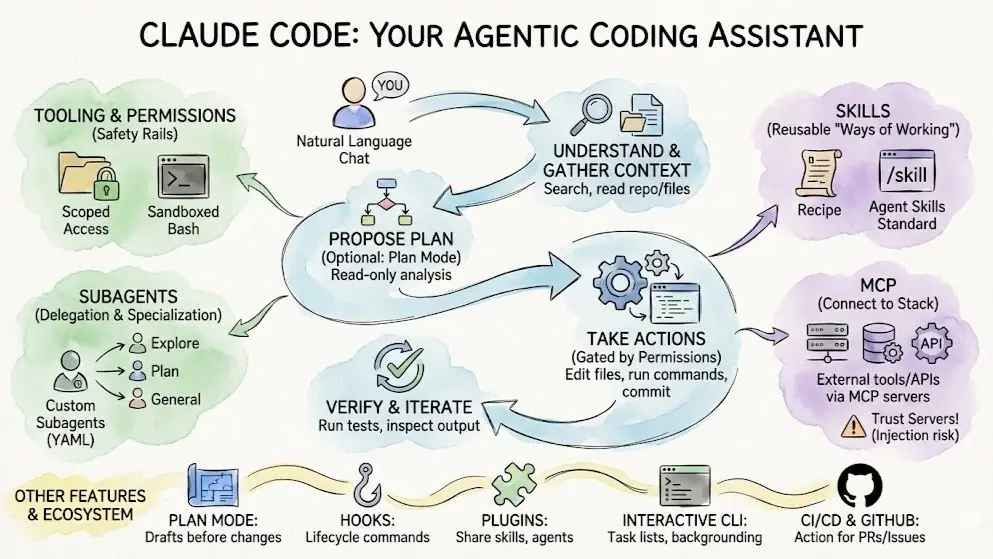
The core of this technology is an agentic loop that moves beyond conversation into direct action:
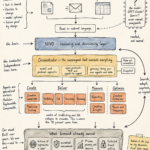
Observation and Planning: The agent uses advanced visual understanding to navigate software interfaces, read spreadsheets, and interpret complex web forms.
Computer Use: Unlike previous versions, the current model can interact with software natively, moving data between applications and filling out multi-step forms just like a human operator.
Task Decomposition: Large goals are broken into independent sub-tasks that can be handled by specialized agents working in parallel.
Self-Verification: The system inspects its own output, identifying blockers or errors in real-time before presenting a final deliverable.
Multi-Agent Orchestration
The February 2026 update introduced the ability to assemble agent teams to solve multifaceted problems:
The Manager Role: You act as an orchestrator, setting high-level goals and approving major steps while the agents handle the repetitive execution.
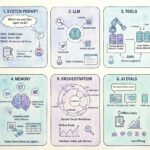
Specialized Subagents: Specific helper agents like Explore (for research) and Plan (for strategy) work together to maintain focus and reduce operational costs.
Context Compaction: To support long-running tasks, the system automatically summarizes previous work to stay within its massive 1M token context window.
Connecting to the Enterprise Stack
A digital worker is only as good as its access. Through the Model Context Protocol (MCP), this assistant connects directly to the tools you use every day:
Deep Integrations: Direct connections to platforms like Slack, Figma, Salesforce, and Jira allow the agent to pull live data or send updates without leaving the interface.
Custom Skills: Teams can define reusable procedures (skills) that tell the assistant exactly how to perform company-specific workflows, such as financial analysis or compliance checks.
Local and Cloud Synergy: While it can run locally on your machine for privacy and folder-level access, it leverages the cloud for high-stakes reasoning and large-scale processing.
Real-World White-Collar Applications
The capabilities as of today extend far beyond writing code:
Legal and Compliance: The model can navigate nuanced regulatory contexts and generate compliance-sensitive outputs with high reliability.
Financial Operations: Autonomous agents can now handle routine project status updates, staff ticket triage, and standard tax form preparation.
Marketing and Research: From synthesizing reports from scattered notes to automating repetitive document workflows, the assistant manages the entire lifecycle of a project.
Safety and Supervision
Anthropic has emphasized a human-in-the-loop model where the user retains ultimate control. Users must grant explicit permissions for the agent to access folders or perform sensitive actions like deleting files. This ensures that while the AI performs the heavy lifting, the human professional remains the final decision-maker.
The era of managing agents rather than operating software has arrived. Would you like me to draft a list of specific MCP servers you can use to connect your local environment to your company’s internal database?